
Roger Hallam
This Field Note documents a photo-exclusive editorial portrait assignment for Dagens Nyheter, photographing climate activist Roger Hallam shortly after his release from prison. The assignment coincided with Hallam’s first interview as a free man following his release, during which he was subject to electronic monitoring.

Hallam is a co-founder of climate activist movements including Extinction Rebellion and Just Stop Oil, and is a prominent and controversial figure within contemporary environmental protest in the UK.
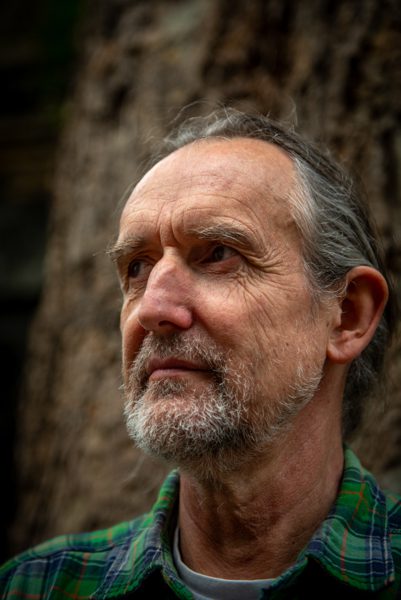
The portraits were photographed close to Hallam’s home, with movement restricted due to the conditions of his release. Initial images were made outdoors, using restrained, earthy-toned backgrounds selected to reflect environmental themes central to his activism while keeping emphasis firmly on the subject’s face. The photographs were taken at close proximity, allowing the reader to feel physically near the subject and reinforcing the significance of the moment.
As rapport developed during the shoot, permission was given to photograph inside the home. Interior portraits included Hallam seated at his desk and positioned in front of a brightly coloured, floral tapestry, introducing a visual counterpoint to the earlier exterior images and offering insight into his personal environment.


Detail formed an important part of the visual approach. A close-up of the electronic ankle monitor situated the portraits within their legal and political context. During the shoot, Hallam was asked about objects of personal significance, leading to photographs of books he had written, including a shelf containing titles completed during his time in prison. These elements were later incorporated into the published article.


The assignment was produced alongside reporting by journalist Peter Alestig. The coverage formed part of a front-page article, accompanied by wider reportage on climate activism photographed by Mark Earthy, addressing Extinction Rebellion and Just Stop Oil as broader movements.
While the front-page image reflected large-scale protest activity, the accompanying article featured the portrait work, situating Hallam’s release and first interview within the wider political and social context. The coverage also included a photographer byline with an accompanying image, situating the portrait work within the overall editorial package.
Together, the images combine close, observational portraiture with contextual detail, documenting a moment defined by restriction, transition, and visibility — grounding a polarising public debate in lived experience.

